Personal Protective Equipment & Industrial Safety Supplies
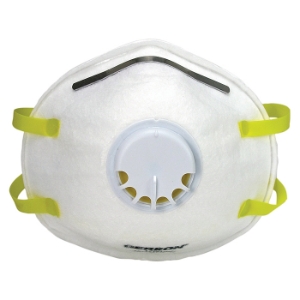
SupplyLand carries a full line of safety equipment and personal protective equipment (PPE) built to keep workers protected and your facility compliant. Our industrial safety supplies include gloves, safety glasses, face shields, hard hats, hearing protection, masks, and respirators, all meeting or exceeding ANSI and OSHA standards. Whether you're outfitting a construction crew, a manufacturing floor, or a warehouse team, you'll find the workplace safety equipment you need at bulk pricing with fast delivery.
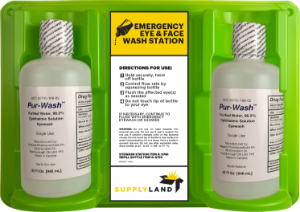
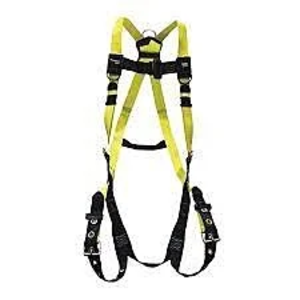
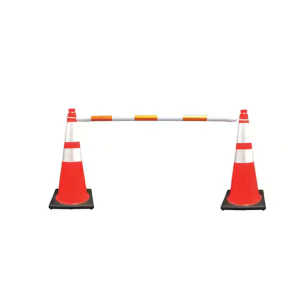
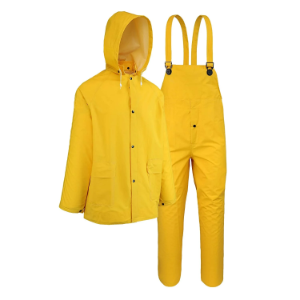
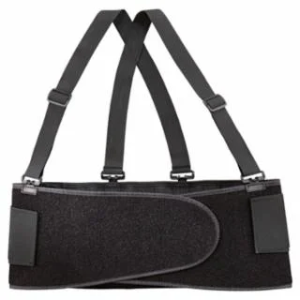
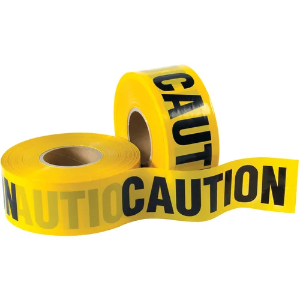
Beyond head-to-toe PPE, we stock the construction safety gear and facility supplies that round out a complete safety program: fall protection harnesses and lanyards, high visibility clothing, traffic cones and barricade tape, first aid kits, emergency eyewash stations, and cold- and hot-weather workwear. Need to restock PPE supplies for a large crew or keep a jobsite first aid station compliant? SupplyLand is your single source for bulk safety supplies, browse our top categories below to get started.
FAQs
What PPE does OSHA require for general industry workplaces?
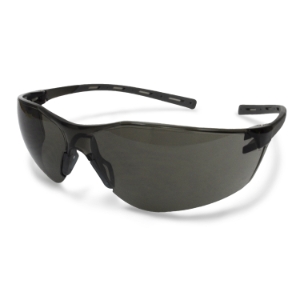
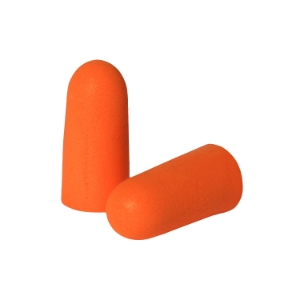
OSHA's requirements vary by hazard, but most general industry settings need at minimum: safety glasses or goggles where eye hazards exist, gloves appropriate to the chemical or physical risk, hearing protection when noise exceeds 85 dB over an 8-hour average, and hard hats in areas with overhead or falling-object hazards. Respiratory protection is required whenever airborne contaminants exceed permissible exposure limits and engineering controls aren't sufficient. The best starting point is a documented Job Hazard Analysis (JHA) for each task, that tells you exactly which PPE categories apply.
How do I choose the right work glove for my application?
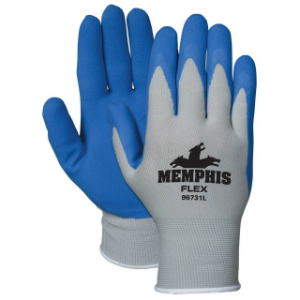
Match the glove to the primary hazard. For cut risks like handling sheet metal or glass, look for ANSI cut-resistant gloves rated A4–A9 depending on severity. Chemical handling calls for nitrile or chemical resistant gloves rated for the specific substance, always check the manufacturer's chemical compatibility chart. General material handling is well served by coated knit gloves (latex, nitrile or polyurethane dip) that balance grip and dexterity. For welding and high-heat tasks, leather gloves are the standard. When in doubt, size up on protection, a glove that's slightly overbuilt is always safer than one that isn't rated for the actual hazard.
When should hard hats be replaced?
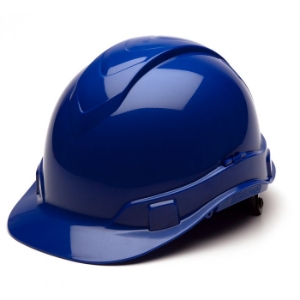
Most manufacturers recommend replacing the hard hat shell every 5 years from the date of manufacture and the suspension every 12 months, regardless of visible condition. Replace immediately if the hat takes a significant impact, shows cracks, dents, chalking, or fading, or if the suspension loses its elasticity. UV exposure accelerates degradation, so hats worn outdoors daily may need replacement sooner. Check the date stamp molded into the underside of the brim, if you can't read it anymore, the hat is overdue.
What ANSI class of high-visibility clothing do I need?
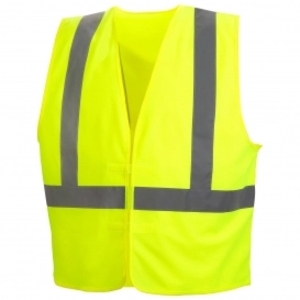
ANSI/ISEA 107 defines three classes. Class 1 provides the least visibility and is suitable for workers in low-traffic areas like parking lots or warehouses with separated pedestrian paths. Class 2 adds more reflective striping and background material, it's the most common choice for construction, roadside utility work, and general industrial use. Safety vests are the go-to for Class 2 compliance. Class 3 offers maximum coverage (full sleeves and legs) and is required for workers on active roadways, near high-speed traffic, or in low-light conditions. When in doubt, Class 2 is the safe default for most jobsites.
What should a workplace first aid kit include?
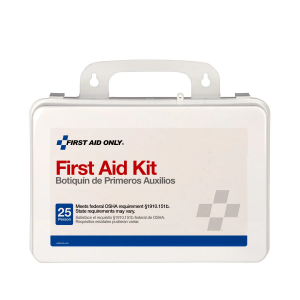
OSHA doesn't prescribe a rigid list, but ANSI Z308.1 provides the accepted standard. A Class A kit, suitable for most workplaces, should contain bandages, gauze pads, a triangular bandage, medical tape, triple antibiotic ointment, burn cream, instant cold packs, nitrile gloves, scissors, and a CPR breathing barrier at minimum. Class B kits expand quantities and add items like splints, tourniquets, and eye wash for higher-risk environments like construction or manufacturing. Review your kit quarterly, replace expired items, and make sure every employee knows where it's located.
Top Categories
Supporting Categories