Facility Maintenance Supplies & Building Operations Essentials
SupplyLand offers a wide range of facility maintenance supplies designed to keep your workplace safe, organized, and running efficiently. Our facility operations catalog covers the day-to-day essentials that building managers, maintenance teams, and operations staff rely on, from absorbents and spill control products to adhesives, lubricants, batteries, and work lights. Whether you manage an office building, a warehouse, a school, or a manufacturing plant, you'll find the building maintenance supplies you need at bulk pricing.
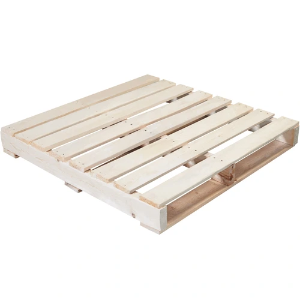
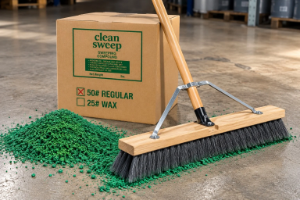
Stock your breakroom with cups, utensils, and coffee supplies. Outfit your office with pens, tape, and storage solutions. Keep walkways safe with floor mats, ice melt, and sweeping compound. Our industrial facility supplies go beyond the basics with cable ties and protectors, pest control, wood pallets, scales, and signage. Browse our top categories below or explore the full range of facility operations supplies to find exactly what you need.
FAQs
What supplies should every facility maintenance team keep on hand?
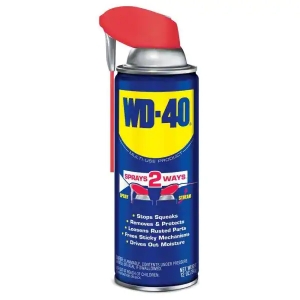
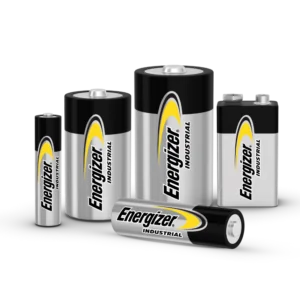
A well-stocked maintenance program starts with a few core categories: absorbent pads or socks for spill response, batteries in the most common sizes for equipment and emergency lighting, a general-purpose adhesive and lubricant like WD-40, replacement floor mats for entryways, and basic office and breakroom consumables so you aren't making emergency runs. From there, add seasonal items like ice melt and sweeping compound for winter, pest control products for warmer months, and keep a par-level inventory sheet so nothing runs out mid-week.
How do I choose the right absorbent for spill control?
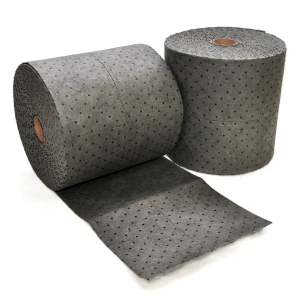
Match the absorbent to the liquid. Universal absorbents (gray) handle water, coolants, solvents, and most non-aggressive fluids. They're the best all-around choice for general facility use. Oil-only absorbents (white) repel water and float, making them ideal for oil or petroleum spills on wet surfaces or in outdoor drains. Hazmat absorbents (yellow) are chemically inert and designed for acids, bases, and aggressive chemicals. Stock rolls or pads for bench-top leaks, socks for perimeter containment, and pillows for larger pooling spills.
What breakroom supplies does a typical office need to stock?
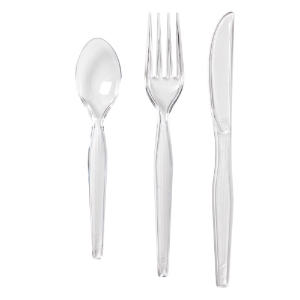
For a standard office breakroom serving 20 to 50 employees, plan on disposable cups (hot and cold), stirrers, napkins, plates, and utensils, or reusable alternatives if your facility has a dishwasher. Coffee, tea, sugar, and creamer are the baseline consumables. Paper towels and trash liners sized to your breakroom bins round out the daily use items. If you're buying in bulk, estimate roughly one hot cup and one cold cup per person per day to set your reorder quantities.
When should floor mats be replaced?
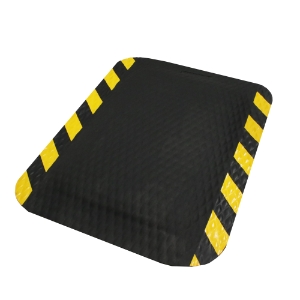
Replace entrance mats when the pile is visibly worn flat, edges are curling, or the rubber backing has cracked and no longer grips the floor. A mat that slides is a trip hazard, not a safety feature. For high-traffic lobbies and entryways, that's typically every 12 to 18 months. Anti-fatigue mats at standing workstations tend to compress over time; if the mat no longer springs back when you press into it, it's lost its cushioning value and should be swapped. Seasonal check-ins (once in spring and once before winter) are a good habit for catching mats that need rotation or replacement.
How much ice melt do I need for my facility?
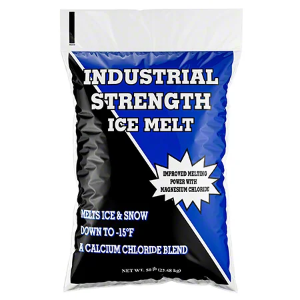
A general guideline is 2 to 4 pounds of ice melt per 100 square feet of treated surface for a typical winter storm event. For a facility with 5,000 square feet of sidewalks and loading docks, that translates to roughly 100 to 200 pounds per storm. Rock salt (sodium chloride) is the most economical option and works well down to about 15 degrees F. Calcium chloride performs in colder temperatures (down to -25 degrees F) but costs more. Pre-treating surfaces before a storm reduces the amount you need after the fact. Buy early in the season: prices rise and stock runs thin once winter hits. Ice melt bags work for smaller facilities, while skid lots are more cost-effective for large properties.
Top Categories
Supporting Categories