Gloves
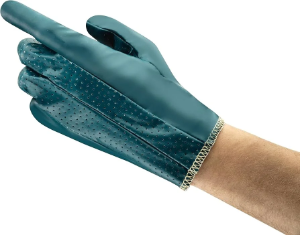
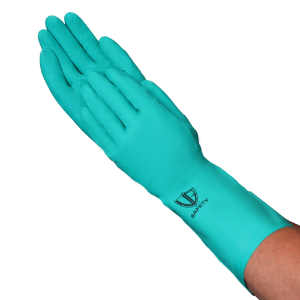
SupplyLand carries work gloves and disposable gloves in bulk for warehouses, manufacturing facilities, construction sites, and commercial operations that need reliable hand protection at scale. Our nitrile gloves are the go-to disposable for industrial and food-service environments, powder-free, latex-free, and resistant to oils, fuels, and light chemicals. For tasks requiring grip and dexterity without sacrificing protection, coated gloves with nitrile, foam, or polyurethane palm coatings give workers a secure hold on parts, tools, and materials. When chemical exposure is the primary hazard, chemical resistant gloves in butyl, neoprene, and PVC constructions provide the barrier protection required for handling solvents, acids, and caustics safely.
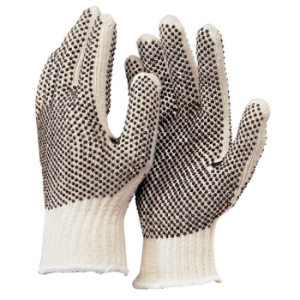
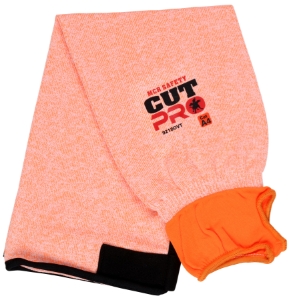
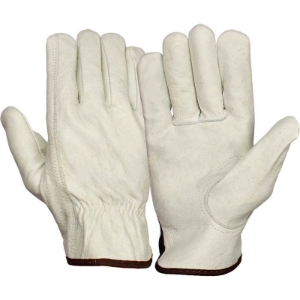
Beyond the top categories, SupplyLand stocks a full range of specialty work gloves for every application and industry. Cut resistant gloves are available across ANSI cut levels A1 through A9 for assembly, fabrication, and glass handling. Leather work gloves provide durable abrasion resistance for construction, warehousing, and general labor. Warehouse gloves balance grip, comfort, and breathability for workers handling boxes and materials throughout a full shift. Latex gloves and vinyl gloves round out the disposable selection for food service, inspection, and light-duty applications. All gloves ship in bulk case quantities at wholesale pricing, order by the case or pallet to keep your PPE program stocked.
What type of work gloves should I use for my application?
The right glove depends on your primary hazard. For chemical exposure, use chemical resistant gloves rated for the specific substance, consult the chemical manufacturer's SDS for compatibility. For cut hazards from blades, glass, or metal, choose cut resistant gloves at the ANSI cut level appropriate for your task (A2–A4 for general assembly, A6–A9 for high-risk blade work). For abrasion and general labor, leather work gloves or coated gloves with a textured palm grip are the standard choice. For single-use contamination control, nitrile gloves or vinyl gloves cover most food service and light industrial needs. Never use a single glove type for multiple hazard classes without verifying it is rated for each.
What are ANSI cut levels and how do I choose the right one?
ANSI/ISEA 105 cut levels rate glove cut resistance from A1 (lowest) to A9 (highest) based on grams of force required to cut through the glove material in a standardized test. A1–A3 covers light assembly, packaging, and tasks with incidental blade contact. A4–A6 is the most common range for manufacturing, automotive, and fabrication work where deliberate blade or glass contact occurs. A7–A9 is for high-risk applications including glass handling, stamping operations, and tasks where blades are used under high force. Higher cut levels generally reduce dexterity, match the level to the actual hazard rather than defaulting to the highest rating. SupplyLand's cut resistant gloves are available across the full ANSI cut level range with product specs listed on each page.
What is the difference between nitrile, latex, and vinyl disposable gloves?
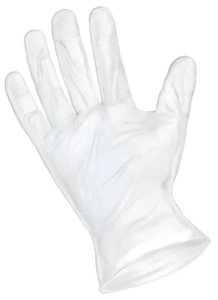
Nitrile gloves are synthetic rubber gloves that are latex-free, resistant to oils, fuels, and many chemicals, and offer the best puncture resistance of the three. They are the standard disposable glove for industrial, food service, and medical-adjacent applications and are safe for workers with latex allergies. Latex gloves are natural rubber and offer excellent tactile sensitivity and elasticity, historically the gold standard for fine dexterity tasks, but are not suitable for workers or environments with latex sensitivities. Vinyl gloves are the most economical option, made from PVC film, and are best for low-risk, short-duration tasks like food handling and light inspection. They offer less protection than nitrile and are not recommended for chemical or puncture-risk applications.
What are coated gloves and when should I use them instead of leather work gloves?
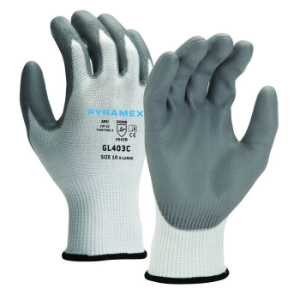
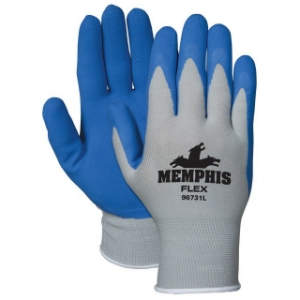
Coated gloves have a fabric liner, typically nylon, polyester, or cotton, with a nitrile, foam, latex, or polyurethane coating on the palm and fingers. The coating provides grip on dry, wet, or oily surfaces while the liner keeps the glove lightweight and breathable, making them ideal for precision assembly, parts handling, and warehouse picking where dexterity and all-day comfort matter. Leather work gloves offer heavier abrasion and puncture resistance from thick cowhide or split leather and are the better choice for construction, landscaping, and labor-intensive tasks involving rough materials, ropes, or tools. If your workers are handling smooth parts or need grip accuracy, coated gloves win. If they are moving rough materials or working with tools, leather is the better call.
Can I buy work gloves in bulk for a warehouse or safety program?
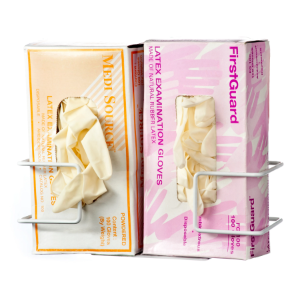
Yes, SupplyLand sells work gloves and disposable gloves wholesale in bulk case quantities at per-unit pricing well below retail. Nitrile gloves are available by the case (typically 100 or 1,000 count), and warehouse gloves, coated gloves, and cut resistant gloves ship in case quantities sized for PPE program stocking. Ordering by the case or pallet reduces cost-per-pair and minimizes restocking frequency. Glove box dispensers are also available for organizing disposable gloves at workstations for easy single-glove access.
Nitrile Gloves, Coated Gloves & Chemical Resistant Gloves

Work Gloves, Cut Protection & Specialty Hand Protection