Commercial Cleaning Supplies & Janitorial Supplies in Bulk
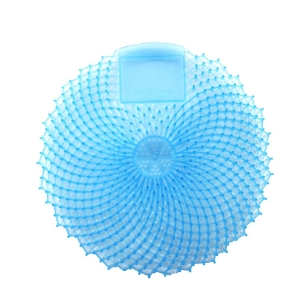
SupplyLand offers a comprehensive range of janitorial supplies and industrial cleaning supplies designed to keep offices, warehouses, schools, and commercial facilities running clean. Our catalog includes all-purpose cleaners, disinfectants, and floor care solutions alongside restroom essentials like toilet paper, soap dispensers, and air fresheners. Whether you manage a single office or a multi-site operation, you'll find the commercial cleaning products you need, all at bulk pricing with fast delivery.
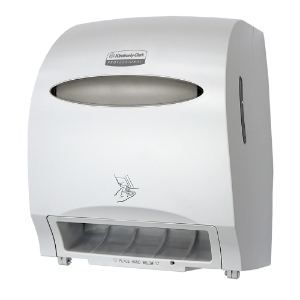
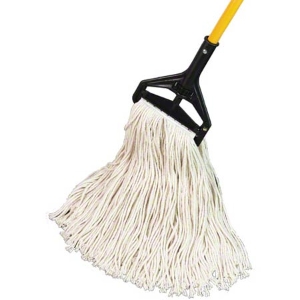
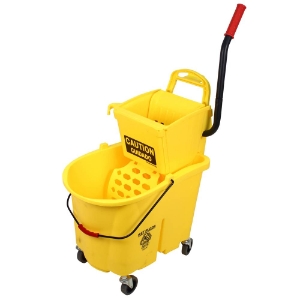
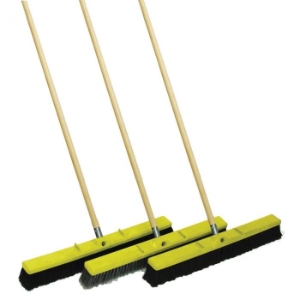
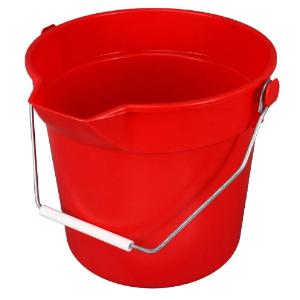
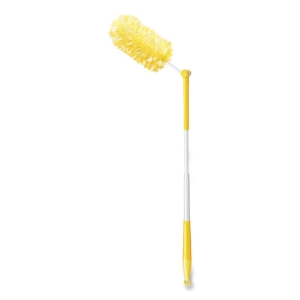
Beyond cleaning chemicals, we carry the full lineup of professional cleaning supplies your crew relies on every shift: trash liners and containers in every size, mops, buckets, brooms, wipers, microfiber rags, and paper towel dispensers. Looking for business cleaning supplies that hold up to heavy daily use? Our products are sourced from brands trusted in commercial janitorial supplies, so you get consistent quality without overpaying. Browse our top categories below or explore office cleaning supplies, restroom stock, and more to outfit your facility from floor to ceiling.
FAQs
What janitorial supplies should every commercial facility stock?
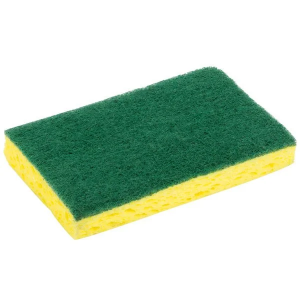
At a minimum, every facility needs a core set of consumables and equipment: all-purpose cleaners and disinfectants, trash liners sized to your containers, toilet paper and hand soap for restrooms, paper towels or a dispenser system, and a mop-and-bucket setup for hard floors. From there, you can build out based on your space, microfiber rags for glass and stainless steel, brooms and dust mops for large floor areas, and scouring pads for kitchens or break rooms. Buying these janitorial supplies in bulk keeps per-unit costs down and prevents mid-week stockouts.
What is the difference between industrial cleaning supplies and household cleaners?
Industrial cleaning supplies are formulated at higher concentrations and designed for larger-scale jobs than typical household products. They often come in concentrated gallons or drums that get diluted through a dispensing system, which makes them far more cost-effective per use. They also tend to carry specific certifications (EPA-registered disinfectants, for example) required in healthcare, foodservice, and education settings. Household cleaners are ready-to-use and work fine for light-duty tasks, but they aren't practical or economical for facilities that clean thousands of square feet daily.
How often should high-traffic restrooms be cleaned and restocked?
For restrooms serving 100+ people per day, a twice-daily cleaning schedule is a solid baseline, once midday and once after hours. Soap dispensers, toilet paper, and paper towel supplies should be checked and topped off at each cleaning. Touch points like door handles, faucet knobs, and flush levers benefit from a disinfectant wipe-down during each visit. Facilities with heavier traffic, such as airports or event venues, may need hourly spot checks. Keeping a restroom supply checklist posted inside the janitor closet helps staff stay consistent.
Should I use microfiber rags or disposable wipers?
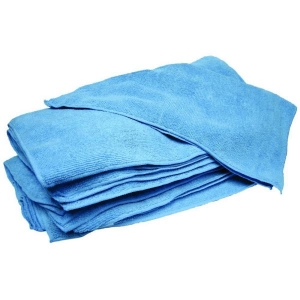
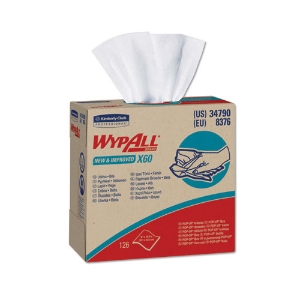
It depends on the task and the facility. Microfiber rags are reusable, pick up more dirt and bacteria than cotton, and work well for daily surface wiping, glass, and dusting. They're the more economical and sustainable choice for routine cleaning. Disposable wipers are better suited to jobs involving grease, solvents, or biohazards where cross-contamination is a concern, you use them once and toss them. Many facilities use both: microfiber for general cleaning and disposable wipers for spill response and industrial tasks.
How do I choose the right trash liner size and thickness?
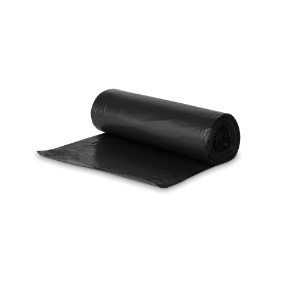
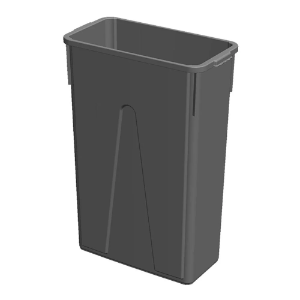
Match the liner to your container's gallon capacity, a 23-gallon slim bin needs a 23-gallon bag, not a 33-gallon bag bunched around the rim. For thickness, low-density (LLD) liners are stretchy and puncture-resistant, making them ideal for offices and break rooms with sharp items like utensils or staples. High-density (HD) liners are thinner but handle heavier loads of soft waste like paper and packaging. As a rule, offices and restrooms do well with 12–16 micron HD liners, while kitchens and industrial areas need 1.5–2.0 mil industrial trash liners for extra puncture resistance.
Top Categories
Supporting Categories